Remains
Remains brings together fragments encountered while researching women's lives within the medieval Jewish communities of the SchUM cities, today a UNESCO World Heritage Site.
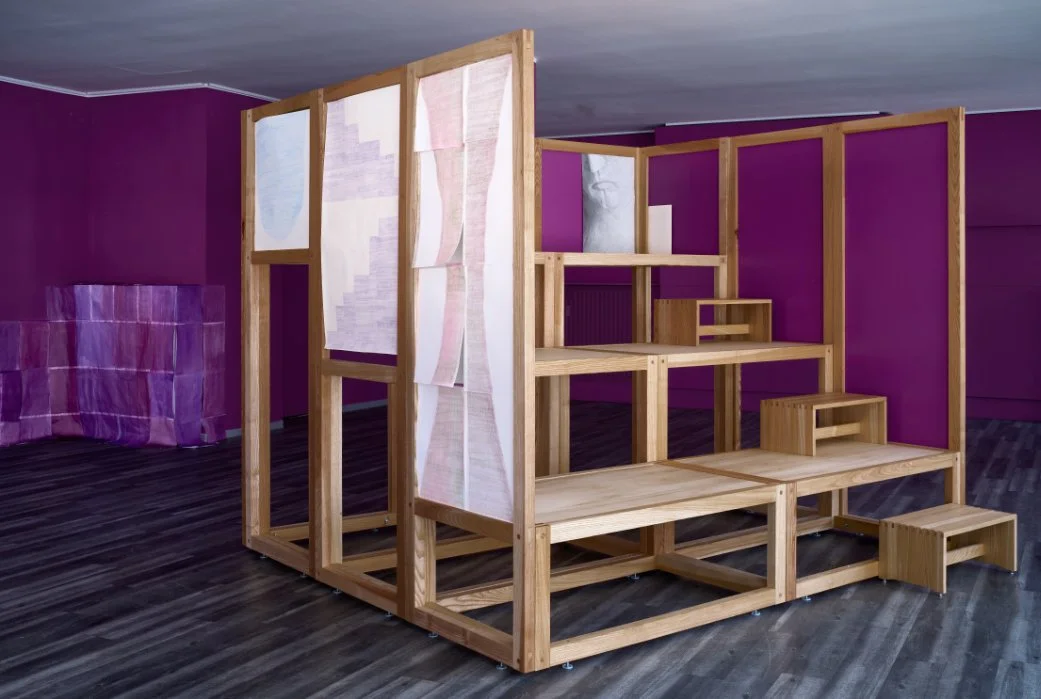
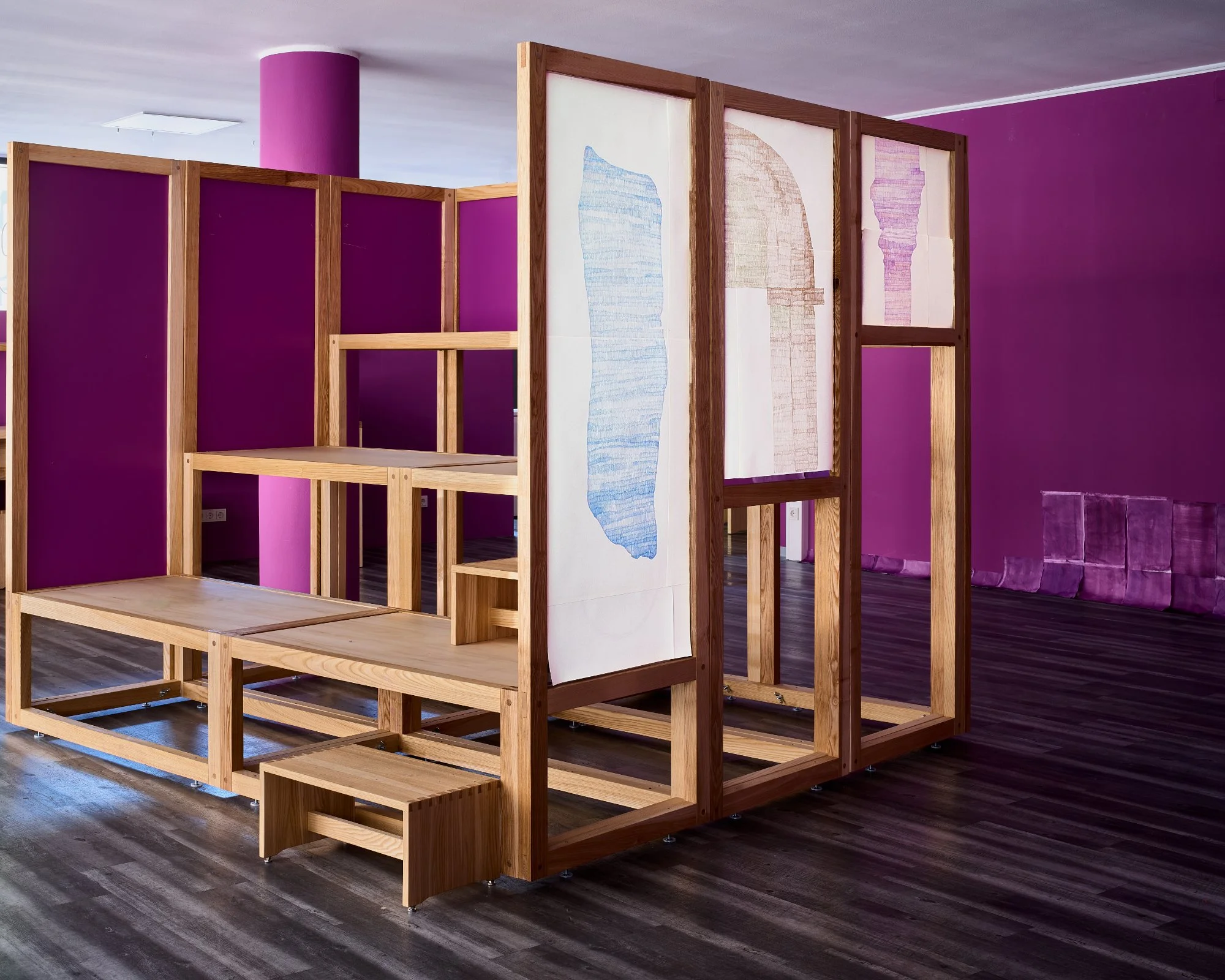
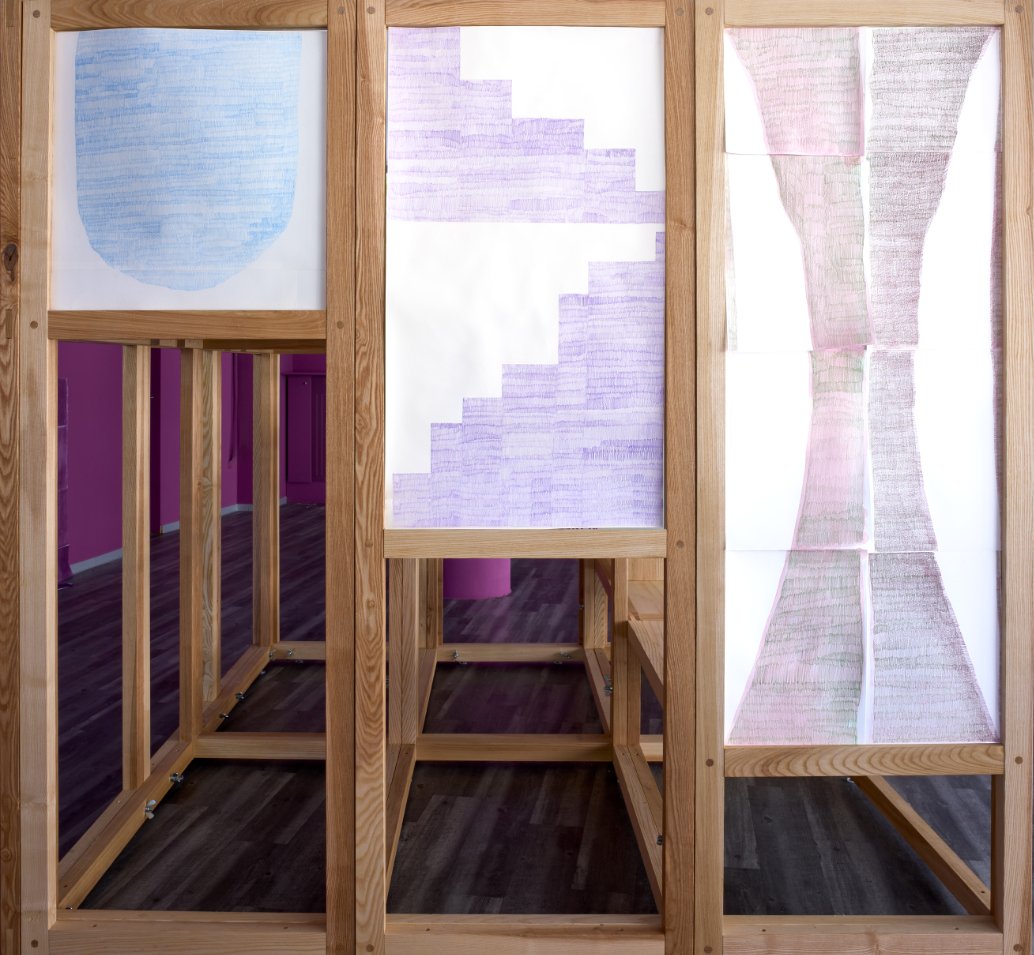
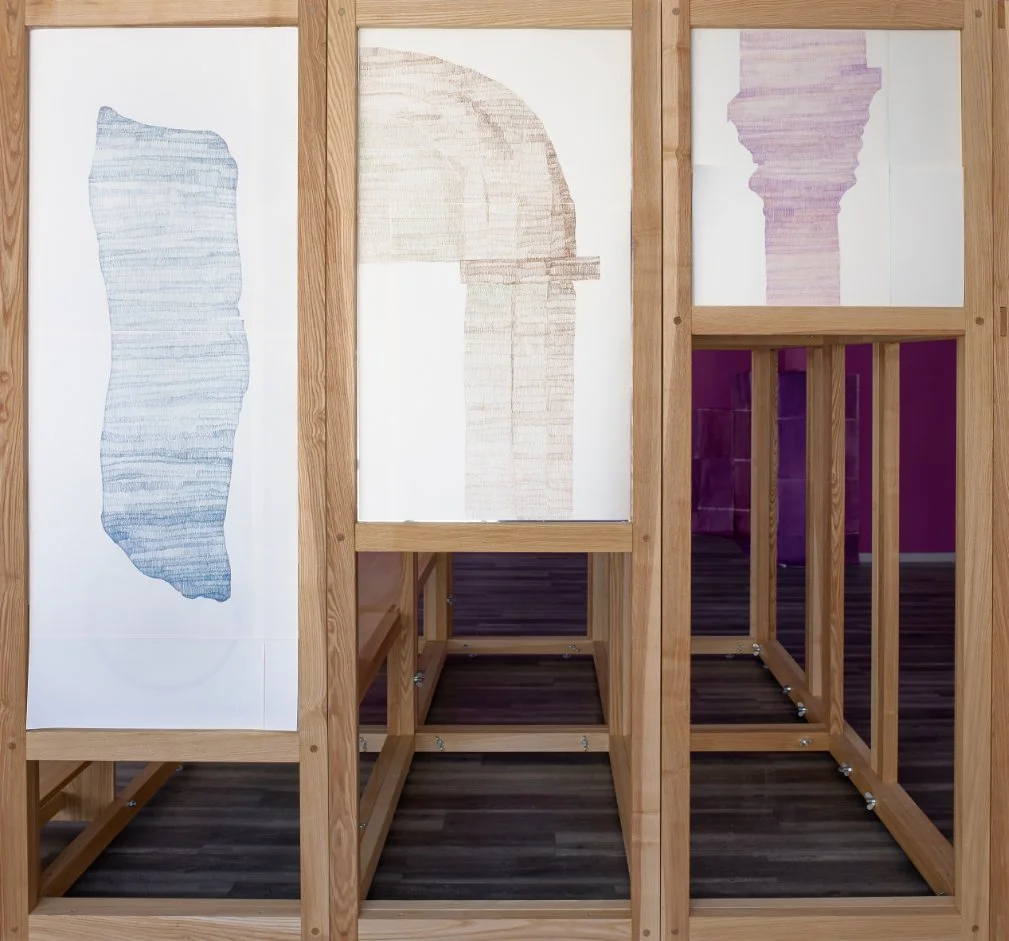
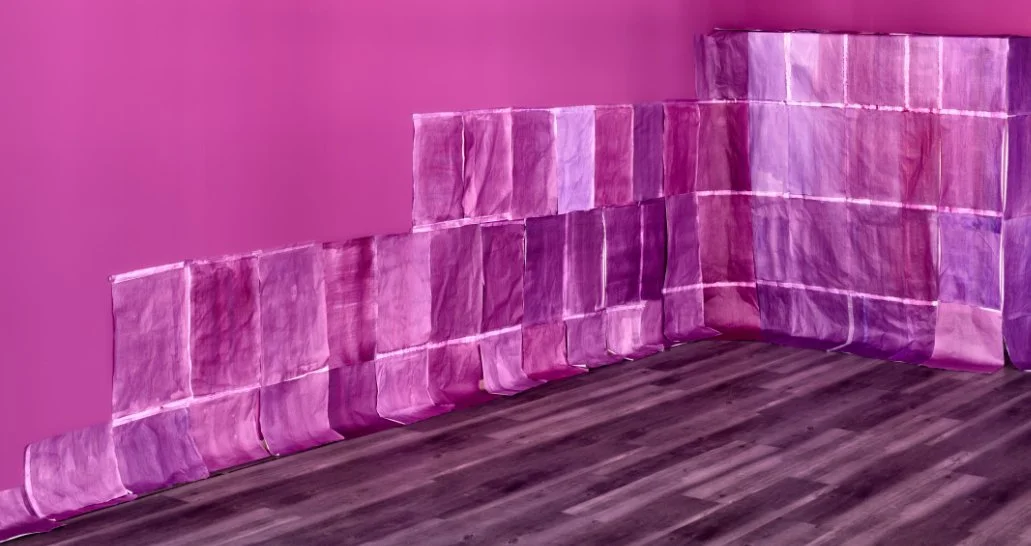
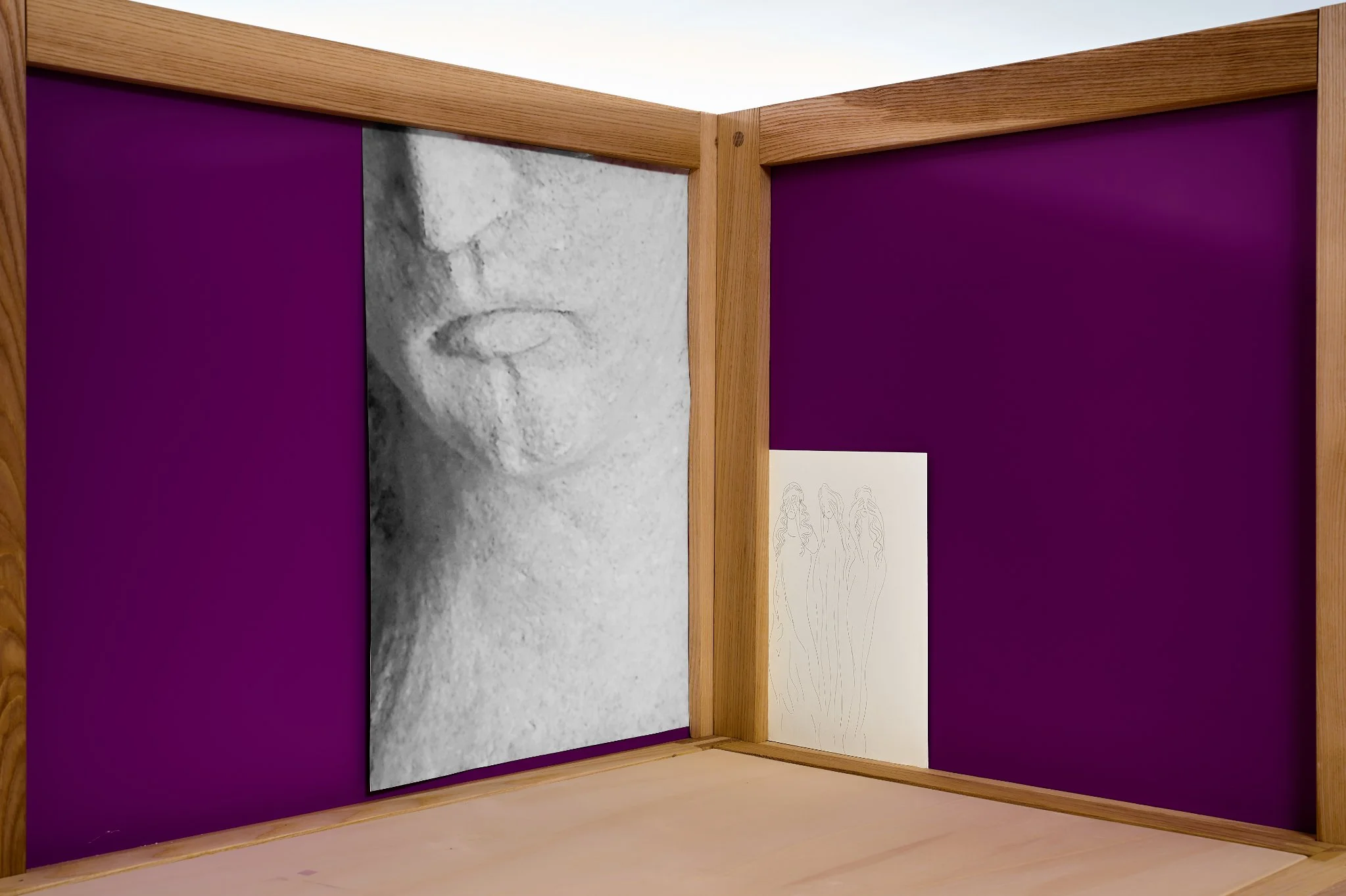
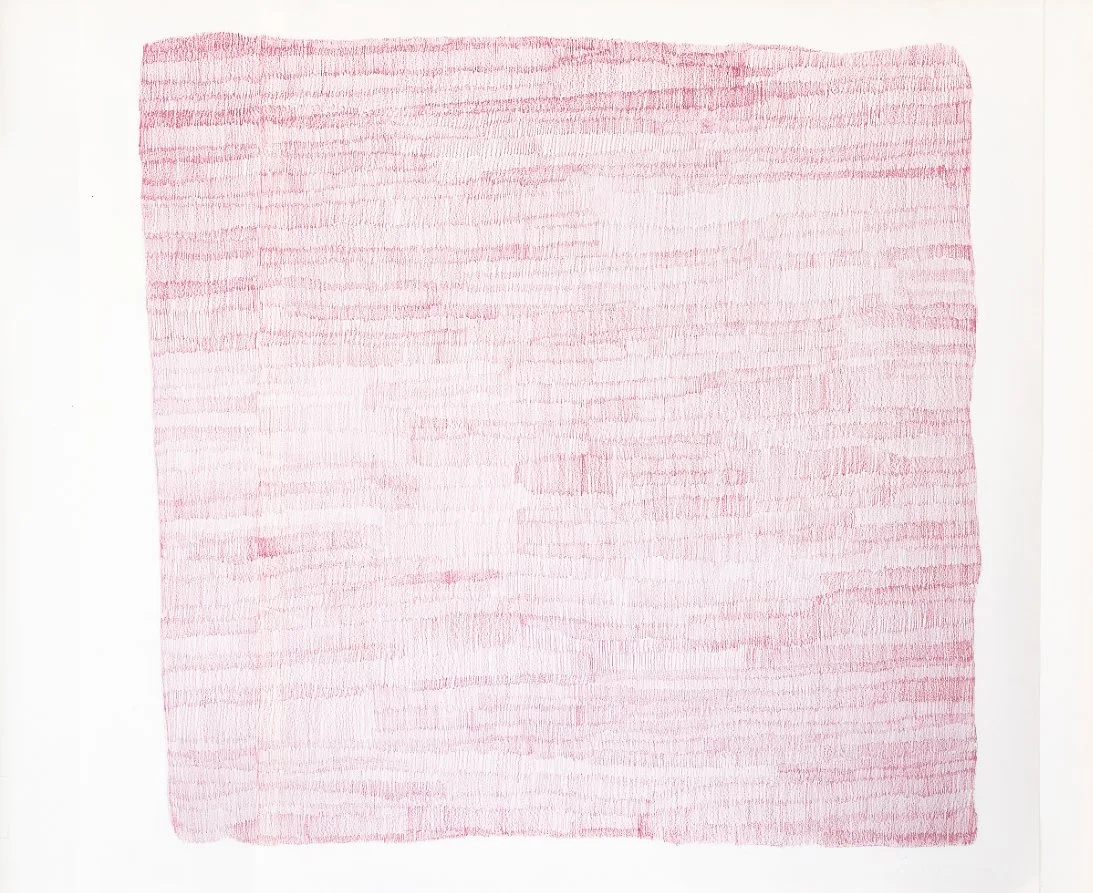
Rather than reconstructing historical narratives, the installation considers how lives continue to be remembered and imagined through material traces. At its centre stands a wooden structure that appears as a room, a scaffold, and a stage at once. Drawings attached to it derive from specific architectural and commemorative elements: the mysterious dent in the wall of the oldest known European Frauenschul, steps descending into the ritual bath, donor inscriptions, gravestones, memorial plaques, and architectural fragments. Extending onto the surrounding walls, sheets of rice paper resemble architectural traces detached from their original site: sediment, repairs, or exposed layers. They suggest how memory is carried not only by specific objects, but by architecture itself.
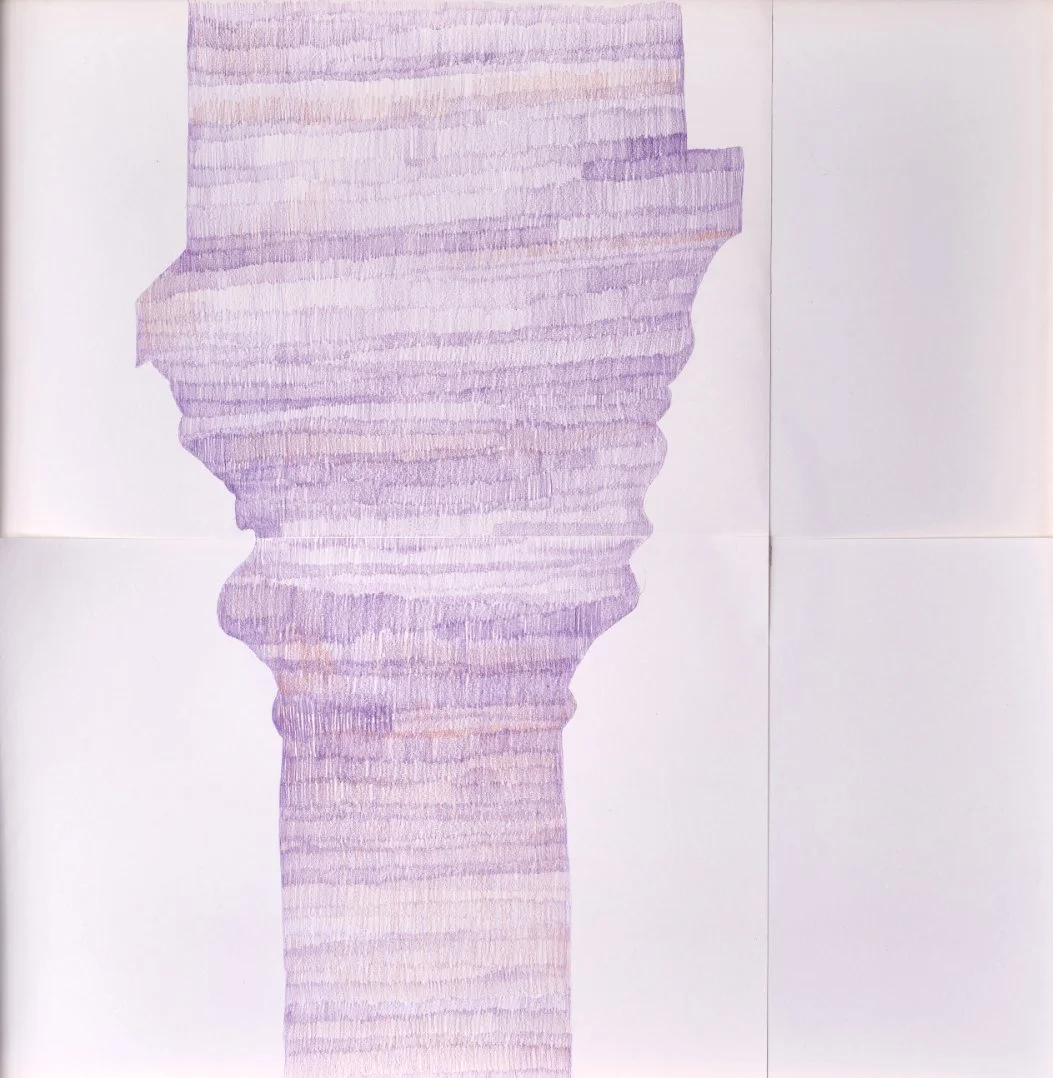
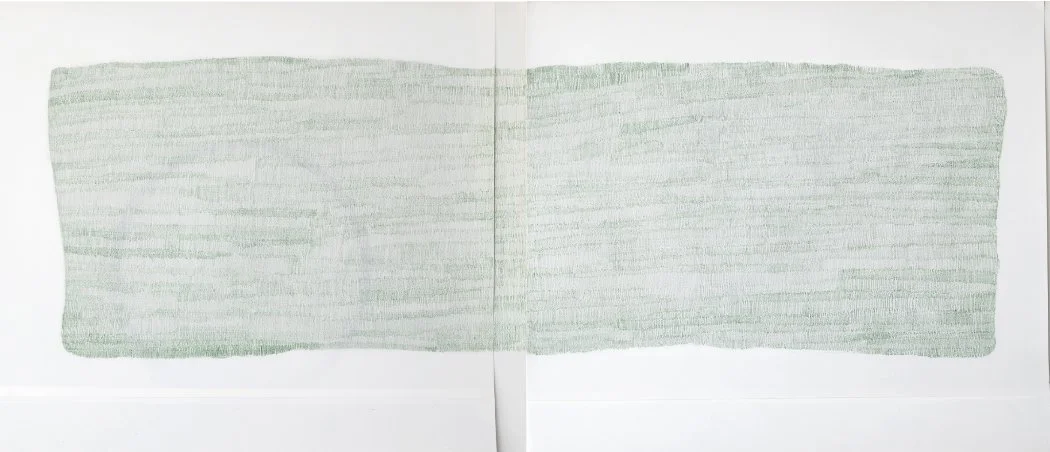
The drawings are not direct depictions of historical objects, but the remains of repeated encounters with them. Through repeated acts of looking, remembering, and reduction, these references gradually move away from documentation and towards abstraction. The rhythm of the lines, their repetition, and the undrawn spaces invite slower looking. What remains is not the object itself, but a residue of looking.
The work does not seek to reconstruct or recover the past, but to remain with the fragments that persist. The title Remains refers both to what survives and to the act of remaining with what cannot be fully known.
Photos © Stefan Ahlers